

Château Stories

Instead of painting the roof, David is running across Canada.
Amateur runner David Kaplan set out to run nine marathons in nine days across Vancouver Island to support Doctors Without Borders. Each kilometer of his run symbolizes a specific act of aid—for CZK 240, you can "adopt" one of them and contribute to those who need it most. The goal of the "Beyond the Limits" challenge is to raise CZK 91,680 and inspire others to take meaningful action.
Life in a castle? No easy ride, but hard work
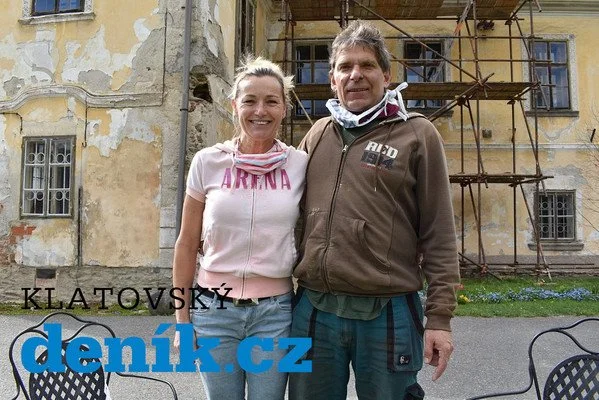
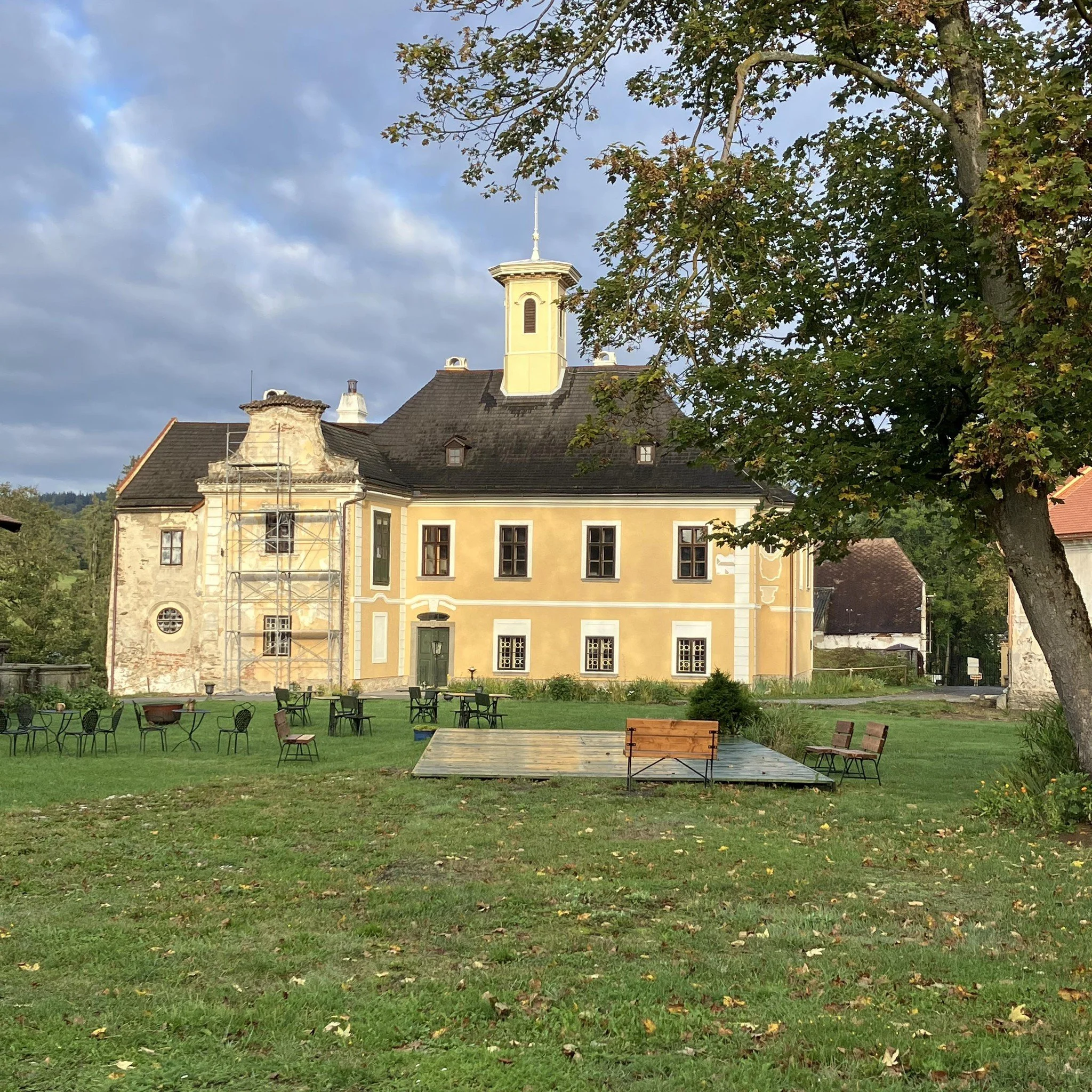
When Markéta and Michal Kaplan left Prague in 2016 and bought a dilapidated castle in Nemilkov, they had no idea that a lifetime's work awaited them – perhaps even several generations' worth. They are trying to turn this former cultural monument, overgrown with weeds, mouse nests, and an asbestos roof, into a place full of life. Thanks to their hard work, public support, and determination, the castle is slowly coming back to life.
From Prague to Nemilkov from David's perspective
Nemilkov Castle became not only a home for my parents, but also a symbol of courage for our entire family. As a member of the younger Kaplan generation, I both admired and struggled to understand their decision to leave everything behind—my feelings alternated between joy and fear and uncertainty. Today, however, I know that it was worth it. They found a meaningful project, a new home, and happiness, and I found a place I love to return to.
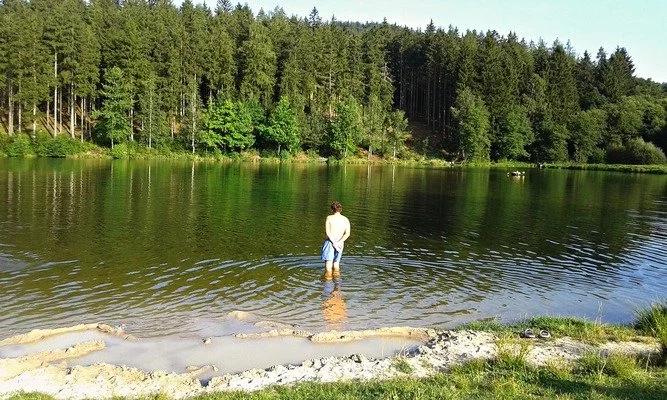
Castle hygiene in Spartan conditions
During our first months in Nemilkov, we washed in a medieval fashion—with a bucket and jug in front of the castle, where every bath ended with an ice-cold shower. This was followed by a garden hose "shower," bathing in Bušek Pond without soap, and only later did a plumber friend set up a makeshift bathroom with a boiler, albeit in an unheated room. Today we also have a regular toilet, but it still stands on bricks in winter; sanitary facilities are improving slowly and there is still room for improvement.
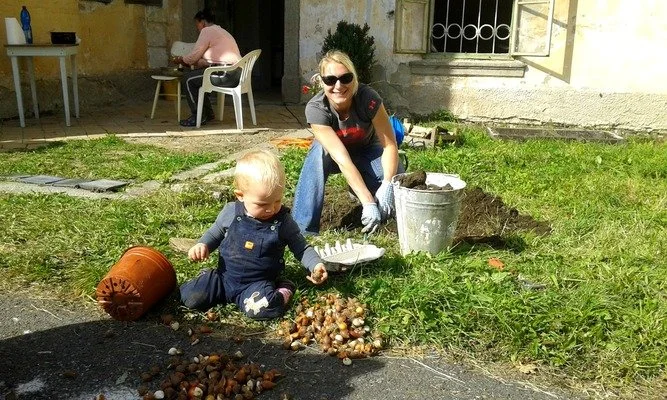
How (not) to create a castle garden
At the beginning of the renovation, we forbade ourselves from doing any gardening in Nemilkov, because flowers and trees would only take up time. However, a basket of tulip bulbs from a neighbor was enough to make me give up on my resolution. Despite the soil being full of bricks, glass, and old shoes, we planted dozens of spruce trees, shrubs, herbs, vegetables, and flowers by spring. Watering in the dry Pošumaví region is a struggle, but saving the castle has long since come to mean saving the garden as well.
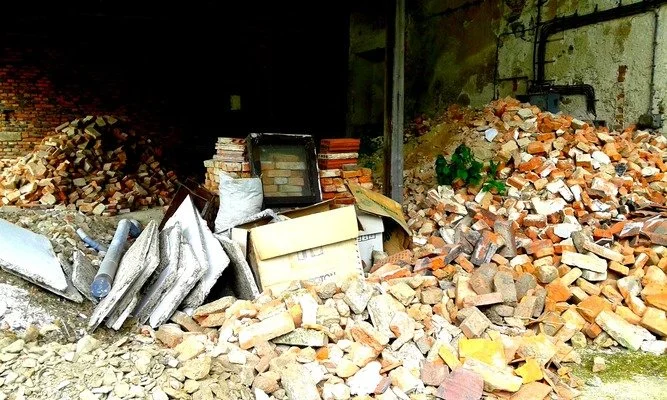
Nails, bricks, and asphalt
After the war, Nemilkov Castle fell to the state and served as a national committee, library, and chamomile drying room, so the structure itself remained intact, but the legacy of socialist administration is unmistakable. The door and window frames are riddled with ten-centimeter-long nails, piles of unused bricks lie in the cellars and attics, and the asphalt-covered courtyard has risen by thirty centimeters, causing water to flow against the buildings. We are now faced with the decision of whether and how to restore the courtyard to its 19th-century appearance.
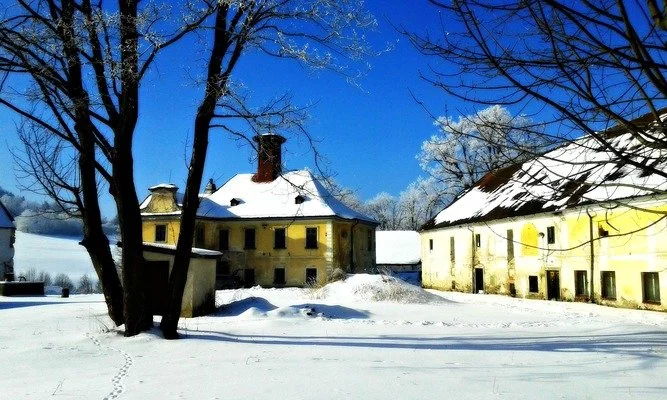
How to survive winter in a castle
Winter romance? Forget it. At Nemilkov, we measured zero degrees in the living room, and the only warmth was within a meter of the tiled stove, where the temperature rose to 13–18 °C. To survive, we need snow boots, woolen hats, ski gloves, and layers of clothing even when going out into the hallway. We sleep in hats under several blankets, and a nighttime trip to the bathroom resembles a cryosauna. The irony is that despite the cold, it is easy to burn yourself, because all hygiene and changing takes place right next to the stove – that's why we welcome spring with enthusiasm, even though it is still winter inside the castle.