Hřebíky, cihly a asfalt
Na zámek se chodí za historií a ani na Nemilkově tomu není jinak. Když, ale půjdete na zámek Hluboká nad Vltavou, pravděpodobně toho o době nedávné moc neuslyšíte. U nás se tomu, ale nedá vyhnout. Zámek po válce propadl státu. Kvůli jeho položení a velikosti bylo rozhodnuto, že bude využíván pro účely obce a zemědělskou výrobu. Všechen „nehodící“ se inventář nechal „národní “správce odvést, nejspíše na zámek Kozel. Štěstí v neštěstí bylo, že se budova zámku využívala pro kanceláře národního výboru, knihovnu, sušárnu heřmánku, ale i pro bydlení. Takže, stavebně není konstrukce zámku, oproti hospodářským budovám, nijak změněna. Pár specialit se, ale přesto najde.
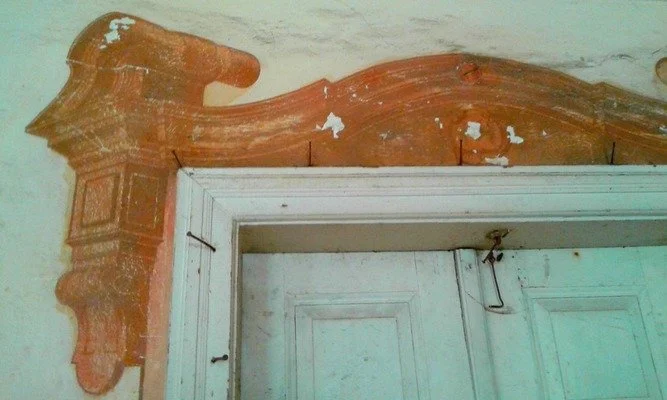
Okrasná futra dveří obitá masivními hřebíky. Co se tam asi věšelo?
Často nyní vzpomínám na svého dědu, kterému se říkalo hromtěťuk. Děda studoval v Paříži na Sorbonně a byl ředitelem gymnázia v Hradci Králové. Zatímco cizí jazyky mu nedělaly problém, zabít hřebík ano. Přesto rád a vášnivě zatloukal hřebíky všude. Obzvláště si oblíbil dřevěná futra, a tam pak věšel svoje klobouky. Proč jsem si na něj vzpomněl je nasnadě, na zámku nenajdete futra, dveře či okna, do kterých není nějaký ten hřebík zatlučen. Zajímavé je nejen jejich umístění, většinou zcela nelogické, ale především jejich velikost. Ta je opravdu ohromující, dvou centimetrová lišta je probita deseti centimetrovým hřebíkem, jehož špička trčí na druhé straně. Prostě asi soudruzi udělali někde chybu a k dostání byly jen hřebíky 10 cm a větší. Hřebíky jsou tedy na Nemilkově ve všem, do čeho se dají zatlouci.
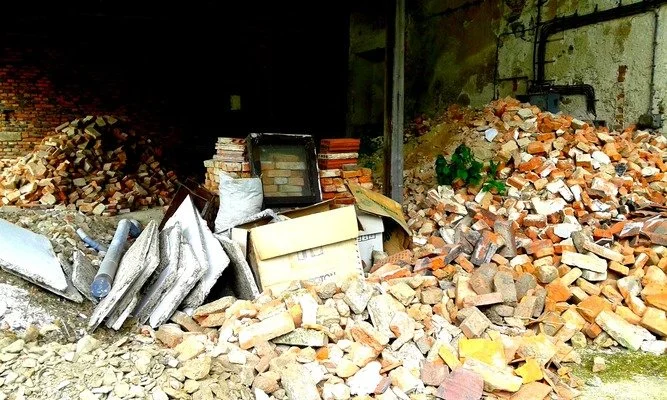
Svezené cihly z různých koutů zámku. Měla tu stát nějaká další stavba?
Podobné jako s hřebíky je to i s cihlami. Ty jsou všudypřítomné jak pod zemí, tak i na půdách. Na jejich přítomnost můžete uzavírat sázky a nikdy neprohrajete. Zajímavé je, že se nejedná jen o zbytky, ale najdete i cihly celé, navíc nepoužité. Když můj bratr stavěl v 80tých letech chatu na Slapech, tak ani naše babička, která dokázala v té době sehnat i nemožné, měla s cihlami problém. Jediné vysvětlení, co nás napadlo, byl všeobecně známý přídělový systém. Pokud něco vrátíš jako přebytečné, další rok o to dostaneš příděl menší.
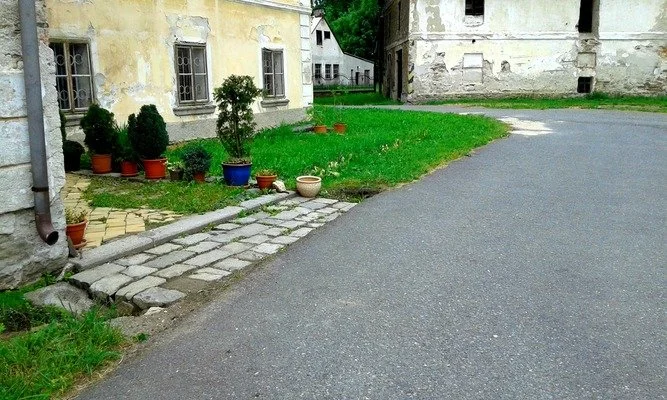
Zasfaltovaný dvůr
Asfaltu bylo bohužel také dost, proto ho máme téměř všude. Dnes chodíme po nádvoří zámku o cca 30 cm výše, než se chodilo za dob Schreinerů. V jejich dobách byly cesty dlážděny žulovými kostkami, které jsme našli na několika místech nádvoří. Bohužel zvýšení povrchu způsobilo a dodnes působí mnoho škod. Voda k budovám totiž stéká, a nikoli odtéká jako za našich předků. K vidění jsou na nádvoří takové kuriozity jako zaasfaltované kanály či dešťové svody, starý rohový patník, který jen vykukuje na povrch, okna půl metru nad zemí a hnijící podlahy, nyní situované pod okolním terénem. To vše před nás staví nelehké rozhodování, jak s nádvořím do budoucna naložit. Zatím nevíme, zdali bude možné ho navrátit do podoby z 19. století. To vše ukáže budoucnost…
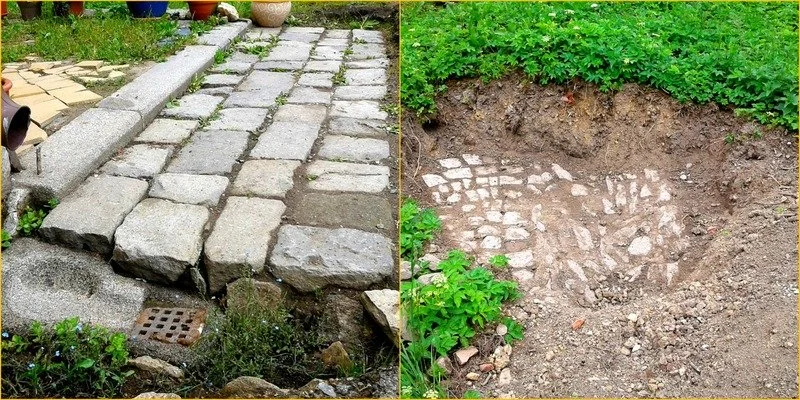
Nálezy původních podlah na dvoře zámku
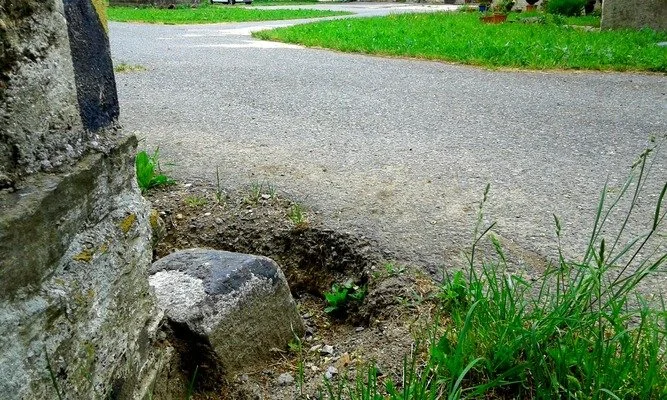
Zabetonovaný původní patkník
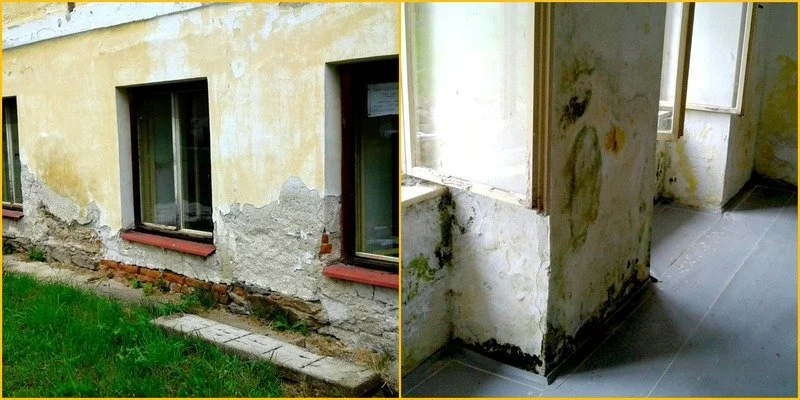
Závodní jídelna z dob komunismu s okny těsně nad zemí a nefunkční drenáží