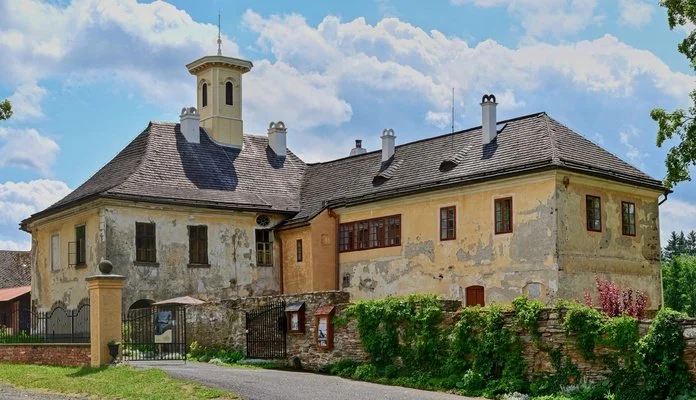
Zámek Nemilkov překvapil. Má i tajuplnou skrýš, kde majitelé ukrývali svého syna
Pro Pardubický denik.cz napsala Alena Hesounová.
Venkovský zámeček Nemilkov je ukázkou záchrany kulturního dědictví. Zajímavou památku během svého letního putování „objevila" paní Alena Hesounová z Pardubicka. Viděla i ložnici, ve které se nachází tajuplná skrýš, kde prý původní majitelé manželé Schreinerovi ukrývali před Hitlerem svého šestnáctiletého syna, aby nemusel do války. (Pozn. majitelů - Skrýš v zámku je, ale zda tam opravdu Georg Schreiner schovával svého syna se jen domníváme.)
Při našem letním putování po Šumavě jsme ve Velharticích objevili plakát, který zval k návštěvě zámku Nemilkov. Přes ten jsme sem přece jeli! Cítila jsem, že by program dne chtěl nějaké doplnění, získali jsme ještě pár informací ve velhartické cukrárně, kde nám ochotná paní potvrdila, že v Nemilkově lze opravdu navštívit zámek a tak bylo rozhodnuto. Cestou z Velhartic do Klatov jsme vystoupili v Nemilkově z busu a vydali se k místnímu zámku.
Po pár metrech se před námi otevřel pohled na malý venkovský zámeček a otevřená vrata nás zvala ke vstupu. Provázela nás sama majitelka paní Markéta Kaplanová, moc milá a sympatická dáma, která výklad pojala netradičně, s humorem a dozvěděli jsme se mnoho zajímavostí.
Připadám si tady spíš jako zámecká služka než zámecká paní, smála se paní Markéta. Zámek koupila rodina Hagerova a Kaplanova r. 2016. Paní Markéta nás záhy svým působivým vyprávěním vtáhla do děje zámeckého života.
Historie zámku začala jako většinou historie zámků začínají, původně tady stála tvrz ze 14. století. V 16. stol. proběhly přestavby a místo tvrze tady byl renesanční zámek. Nejvýznamnějšími obyvateli byla rodina Schreinerova. Na zámku žili od 18. stol. Byli to skvělí hospodáři, za jejich panování panství vzkvétalo. Vzdělaný a pokrokový Martin Bartoloměj Schreiner k zámku připojil 450 ha polí, lesů, založil pivovar, lihovar, hamr s pilou a vodní elektrárnu.
Adolf Schreiner koupil vyřazenou parní lokomotivu a z jejího kotle vytvořil první pivovar s parním pohonem na Klatovsku. Posledním majitelem byl Georg Schreiner, milovník umění.
Bohužel Schreinerovi byli Němci a přestože se ničím neprovinili, jejich původ stačil k tomu, že celá rodina byla po válce vysídlena. Schreinerovi na zámku zanechali hluboké stopy. Byli pracovití, vzdělaní, pokrokoví, pro kraj vykonali mnoho prospěšného. Jen proto, že byli Němci, byli vyhnáni. Je to další z temných kapitol naší novodobé historie. Kapitol, které se mlčky přecházejí, a křivdy nebyly nikdy napraveny.
Dcera Schreinerových ještě žije. Dnes je to stará dáma, bydlí v cizině a nemá zájem se ani přijet podívat na svůj dávný domov. Odcházela odtud jako malá holčička, přišla o domov a kapitolu svého života na Nemilkově v sobě uzavřela. Stále je to pro ni velmi bolestivé a nechce jitřit dávné vzpomínky.
Zámek za doby Schreinerů obklopoval park s ovocnou a zeleninovou zahradou. Schreinerovi zde šlechtili jehličnany, které dodávali do celé Evropy. Správně odhadli, že když stromy přežijí zdejší drsné podmínky, uchytí se všude.
Když byli v roce 1945 ze zámku vyhnáni Schreinerovi, nastěhovalo se sem JZD. Komunistická panička, manželka místního funkcionáře, dostala k dispozici celé křídlo zámku. Asi si život zámecké paní představovala poněkud jinak. Dlouho tady nevydržela a brzy se odstěhovala do paneláku. Zima a nepohodlí se jí nelíbily.
Když se sem nastěhovali Kaplanovi, na zámku nebylo nic. Zařízení, mobiliář, vybavení, vše bylo rozkradeno, zničeno. Byl tu jen nepořádek, hromady odpadků. První rok se jen vyklízelo, vyvezly se desítky kontejnerů odpadu.
Dnes už je zámek částečně opraven. Kaplanovi zde bydlí a zámek zpřístupnili veřejnosti. Protože provází sama paní majitelka a ukazuje nám vlastně svůj domov, připadáme si tady jako na návštěvě.
Paní Markéta nám přibližila, jak vypadal život na zámku za doby Schreinerů. Vidíme ložnici paní Schreinerové, kde se nachází tajuplná skrýš, kde prý ukrývali před Hitlerem svého tehdy šestnáctiletého syna, aby nemusel do války. Hitler povolával takto mladé chlapce, ještě děti, a rodiče je pochopitelně chtěli ochránit.
Cožpak obyčejní němečtí lidé mohli za Hitlera a za válku? Historie se stále opakuje, vždy na špatná rozhodnutí politiků doplatí nevinní lidé, kteří chtějí jen normálně žít. Nikdo nechce válku!
Při vyklizení a zkoumání zámku Kaplanovi objevili spoustu zajímavostí. Např. na první pohled obyčejné okno, které ale má ze stran důmyslně zabudované okenice.
Schreinerovi byli milovníci historie. Když chybělo něco původního, tak to nahradili replikou, která byla k nerozeznání od původního. Třeba při stavbě nového schodiště do něj citlivě zapracovali původní barokní schody.
Srdcem zámku je taneční sál s kaplí. Nebývá zvykem, aby v sále byla kaple. Ale vlastně to bylo velice praktické. Sloužily se zde bohoslužby a když přišel čas zábavy, schovala se kaple za závěs a v sále se mohly konat plesy. Sál tak sloužil dvojímu účelu, tehdy povinnému náboženství a zároveň i pro světské radovánky. V současné době se sál obnovuje. Pod zničenou malbou restaurátorka odkrývá původní malbu – růžičky, a proto se sálu říká Růžičkový. Až jednou bude sál obnoven do původní krásy, bude pýchou zámku.
V sále se pořádají koncerty. Výdělky jdou na obnovu zámku. Kdo chce finančně pomoct, může si koupit jednu růžičku.
Zámek by mohl sloužit jako učebnice architektury, protože zde najdeme prvky od gotiky přes renesanci až ke klasicismu.
Kaplanovi se sem přestěhovali z pohodlného bytu v Praze. Paní Markéta bývala trenérkou české plavecké reprezentace, její manžel pan Michal je realitní makléř a velký milovník starožitností. On shání a kupuje nábytek a vybavení do zámku.
V červenci letošního roku Kaplanovi odhalili na fasádě zámku pamětní desku manželům Menclovým. Ti sem jezdívali od r. 1962 až do své smrti na letní byt. Václav Mencl /1905-1978/ byl významný český historik a památkář, ředitel Státního památkového ústavu a autor mnoha odborných publikací. Dobroslava Menclová /1904-1978/ byla historička umění, architektka, archeoložka, studovala Akademii výtvarných umění a byla jednou z naších nejznámnějších hradoložek. Její životní dílo je dvojdílná encyklopedie České hrady /vyd. 1972/.
Návštěva zatím ne moc známého zámku v Nemilkově je velký zážitek. Jsme svědky postupné obnovy zámku. Svědectví o obnově nám nabízí sama paní majitelka, ze které přímo čiší nadšení, elán a zápal pro věc. Navrátit celému areálu život je práce náročná a zdlouhavá. Někdo tomu říká dobrodružství, jiný sebevražda, obojí je asi pravda – říká paní Markéta. Zámek Nemilkov je ukázkou záchrany kulturního dědictví.
A naše neplánovaná návštěva zámku se nakonec stala zlatým hřebem celého výletu!
Původní znění článku Zámek Nemilkov překvapil. Má i tajuplnou skrýš, kde majitelé ukrývali svého syna